Sports Injuries Relief in Toronto
Care for sports injuries that starts with understanding why it is happening.


What Counts as a Sports Injury?
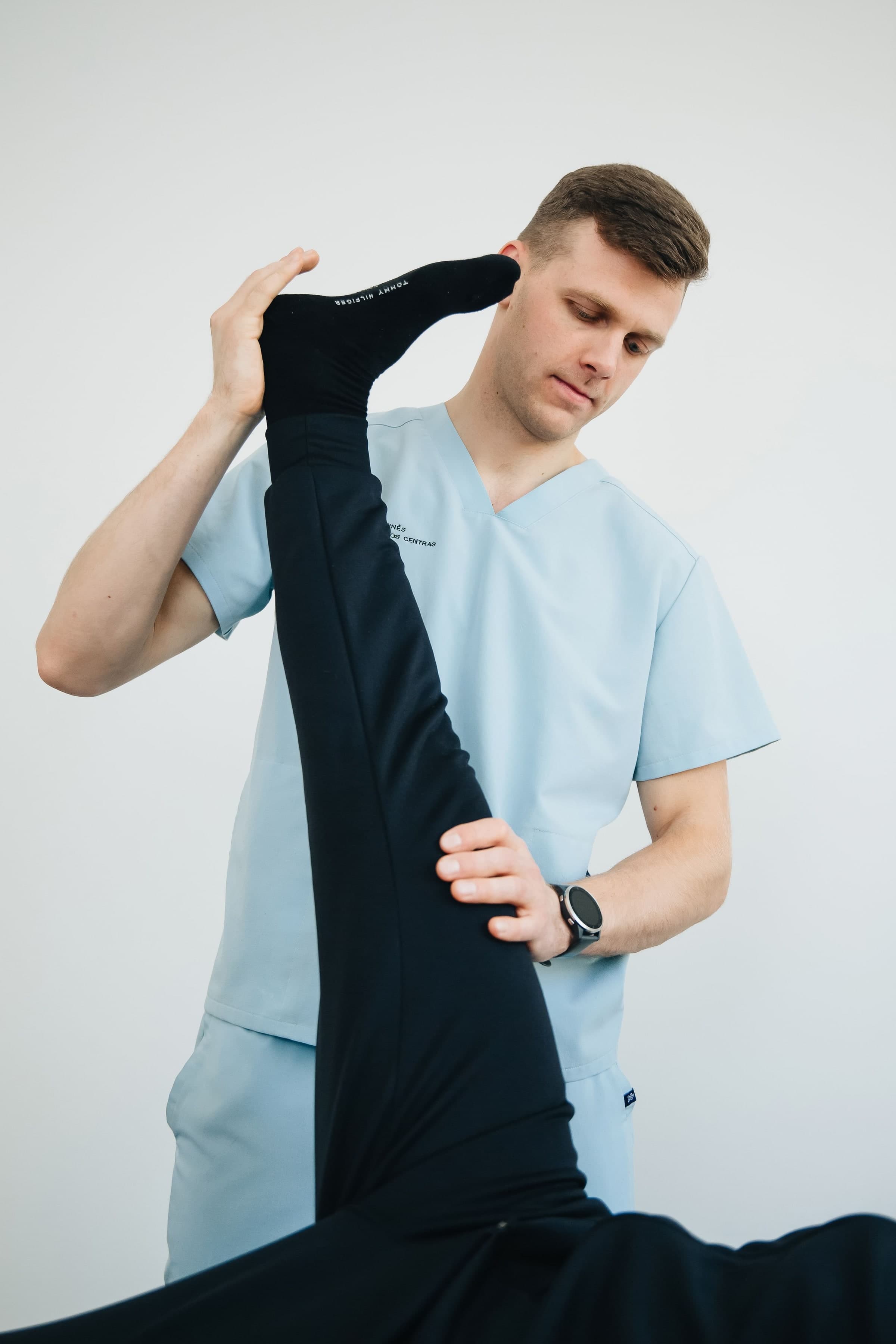
Anything that happens when you ask your body to do more than it is currently prepared for. That includes the obvious acute events, a rolled ankle or a pulled hamstring, and the gradual ones that build over a training block.
Most of what we see is the second kind: load climbed faster than tissue could adapt.
What It Often Feels Like
Our Approach to Sports Injuries
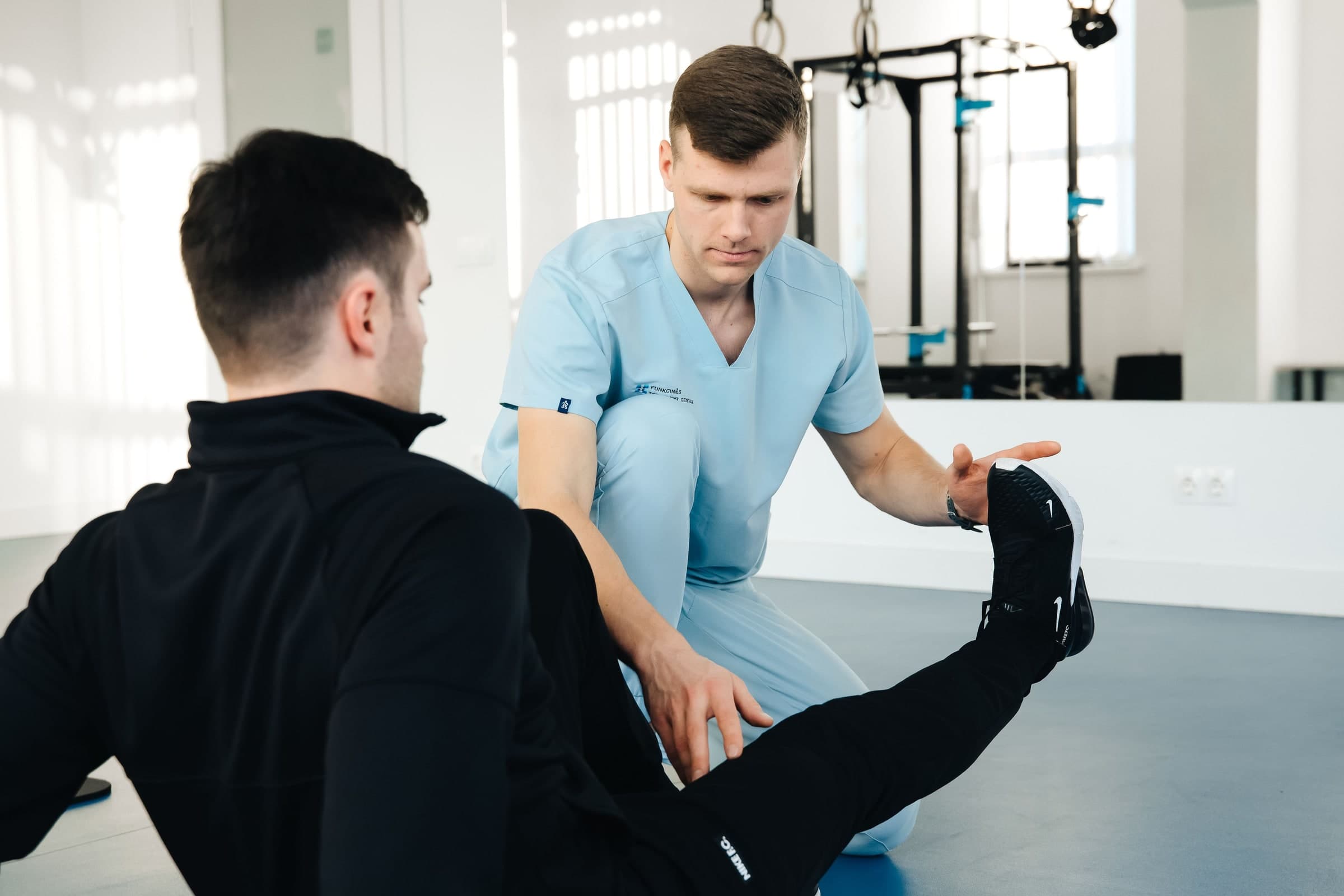
We assess the injured tissue and the reason it was overloaded, because treating one without the other tends to end in a repeat.
- Early management to settle symptoms and protect healing tissue
- Progressive loading that rebuilds capacity rather than just resting it
- A return to sport plan with clear checkpoints

How We Assess a Sports Injury
We need two things: what is injured, and why it got injured. The first is a physical assessment of the tissue, its irritability and what it can currently tolerate. The second is a conversation about your training, how quickly load has climbed, and what changed in the weeks before symptoms started.
Skipping the second is why injuries recur. A hamstring that tore because weekly sprint volume tripled will tear again if the only thing that changes is the hamstring.
What Treatment Looks Like
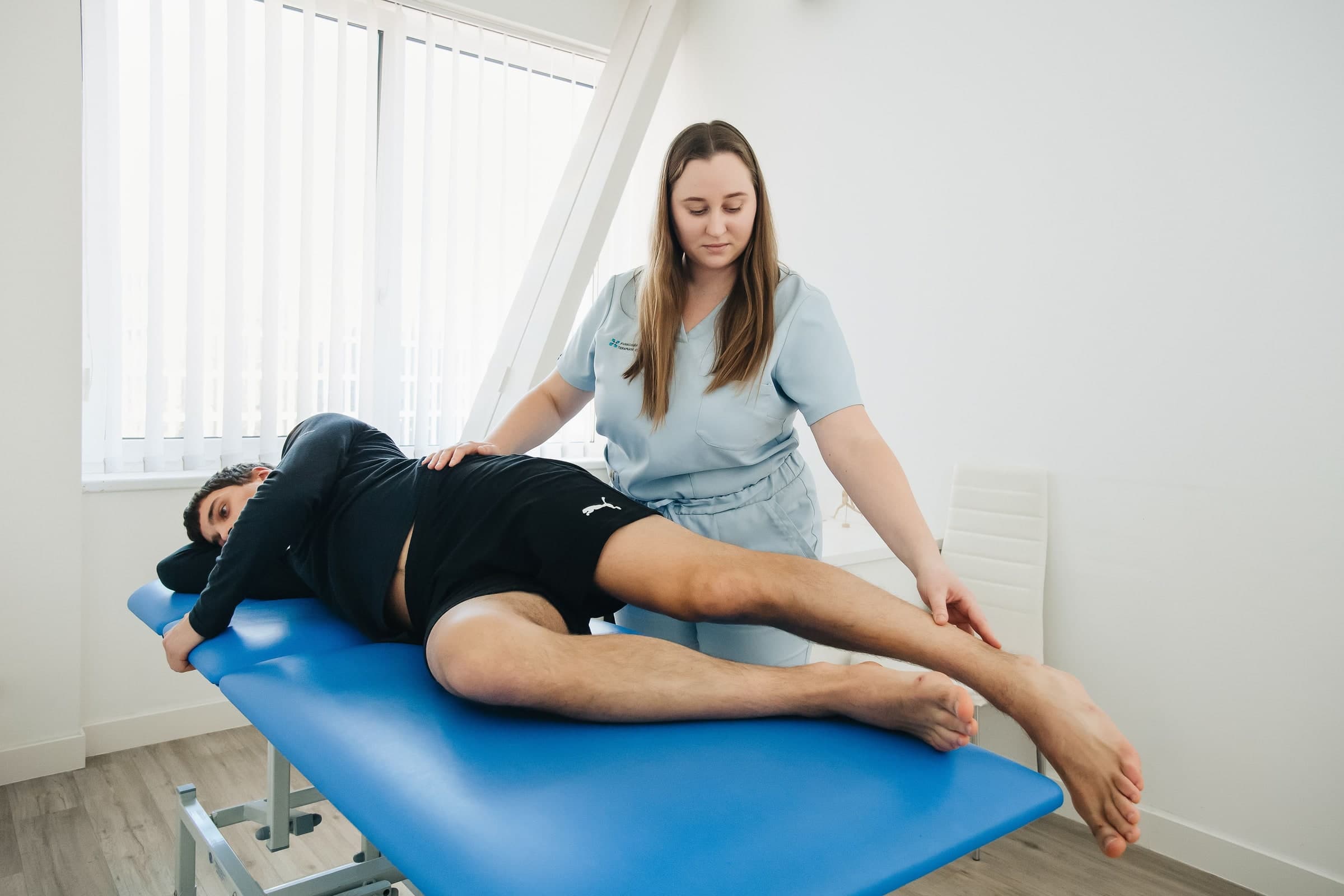
Early management protects healing tissue without shutting you down completely. There is almost always something you can keep doing, and keeping it maintains fitness and makes the return easier.
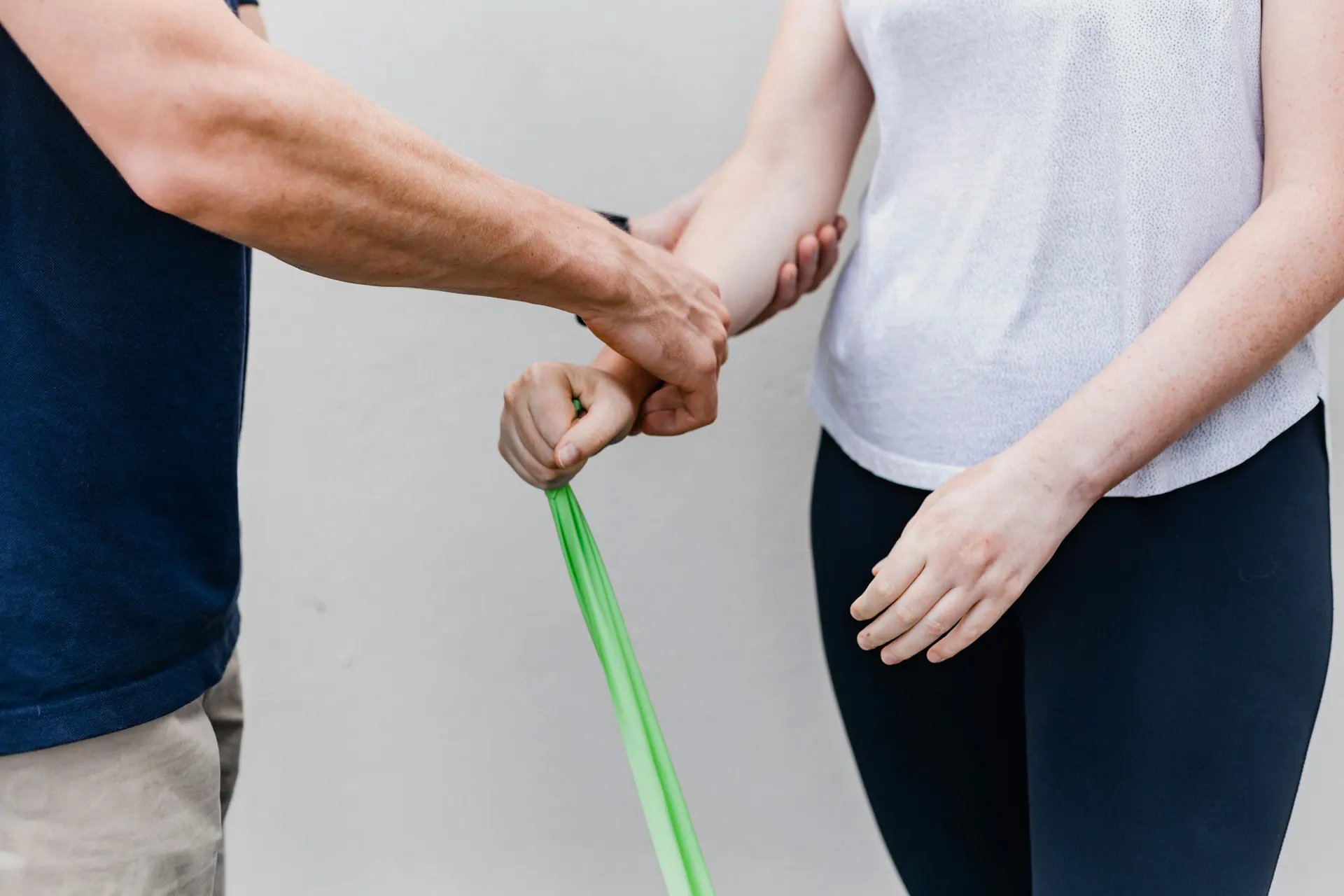
From there it is progressive loading: we add stress to the tissue at a rate it can adapt to, and use clear checkpoints rather than a calendar to decide when you move up. Return to sport is a graded process with criteria, so you know what has to be true before you play, not just how many weeks have passed.
Who to See for Sports Injuries
Common Questions About Sports Injuries
How long until a sports injury improves?
Will I get exercises to do at home?
Book Sports Injuries Care in Toronto
Tell us what you are training for when you book, because the plan for getting back to a Sunday league is different from the plan for a race in six weeks. We will be straight with you about the timeline.