Sciatica Relief in Toronto
Care for sciatica that starts with understanding why it is happening.
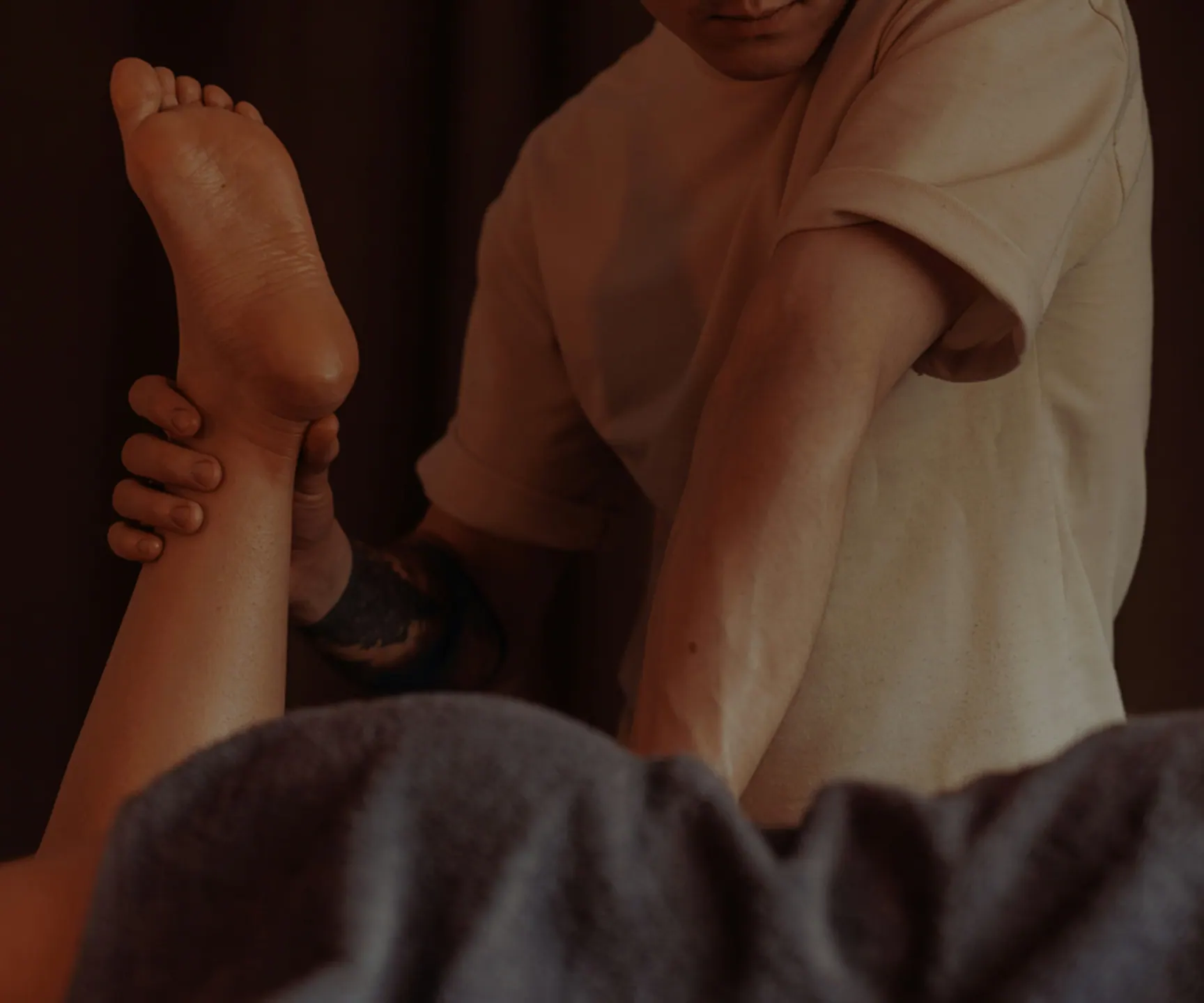

What Is Sciatica?
Sciatica is a symptom rather than a diagnosis. It describes pain that travels along the path of the sciatic nerve, from the low back or buttock down the back of the leg.
It happens when the nerve is irritated or compressed somewhere along its route, most often in the lower back. Finding where is the point of the assessment.

What It Often Feels Like
A line of pain down one leg, sometimes past the knee. It can be sharp and electric, or a deep burning ache. Many people also get pins and needles, numbness, or a leg that feels heavy and unreliable.
Sitting and driving commonly make it worse. So does coughing or sneezing, which tells us something useful about the cause.
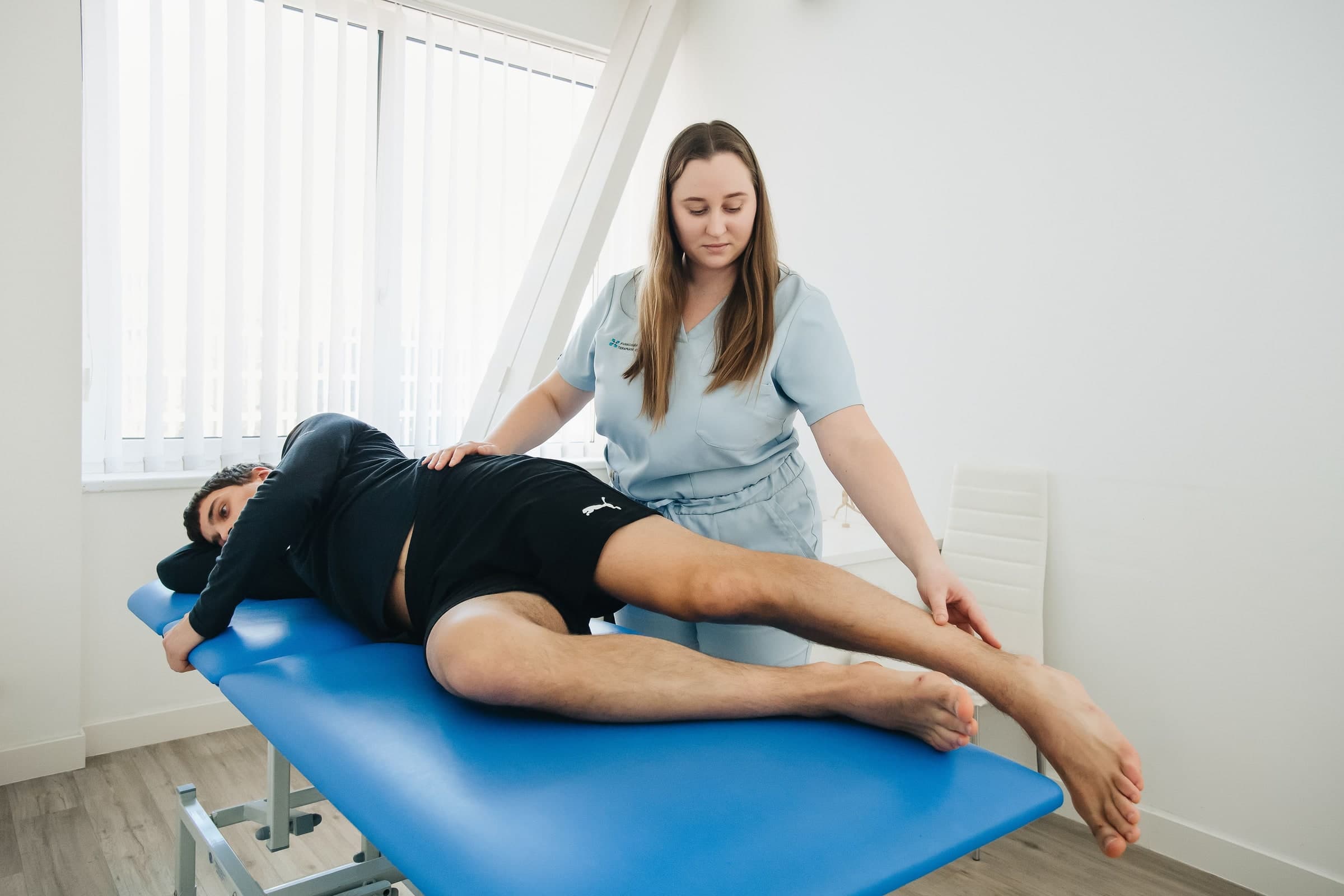
Our Approach to Sciatica Care
First we work out where the nerve is being irritated, and screen for anything that needs a referral rather than treatment here.
- Positions and movements that ease the pressure, so you can sleep and sit again
- Hands-on treatment for the structures involved
- A graded return to loading as the symptoms settle

How We Assess Sciatica
The first job is working out where along the route the nerve is being irritated, because treatment for a disc-related presentation looks different from one coming from the buttock.
We take a careful history, test the nerve directly, and check strength, reflexes and sensation in the leg. We also screen for the small number of presentations that need onward referral rather than treatment here, and we will tell you plainly if that is what we find.

What Treatment Looks Like
Early management protects healing tissue without shutting you down completely. There is almost always something you can keep doing, and keeping it maintains fitness and makes the return easier.
From there it is progressive loading: we add stress to the tissue at a rate it can adapt to, and use clear checkpoints rather than a calendar to decide when you move up. Return to sport is a graded process with criteria, so you know what has to be true before you play, not just how many weeks have passed.
Practitioners Who Help with Sciatica

Renata Silva
Registered Physiotherapist

Dr. Daniel Moreau
Chiropractor
Common Questions About Sciatica
How long until sciatica improves?
Will I get exercises to do at home?
Book Sciatica Care in Toronto
Part of a sciatica assessment is screening for the small number of presentations that need a medical referral rather than treatment here. If you are one of them, we will tell you at the first visit.