Low Back Pain Relief in Toronto
Care for low back pain that starts with understanding why it is happening.


What Causes Low Back Pain?
Low back pain is rarely one thing. It can come from a disc, a joint, muscle guarding after a strain, or simply a body that has been held in one position for too long.
Most of the low back pain we see is mechanical, which means it relates to how the area is loaded and how it moves. That is useful, because it is something an assessment can find and a plan can change.
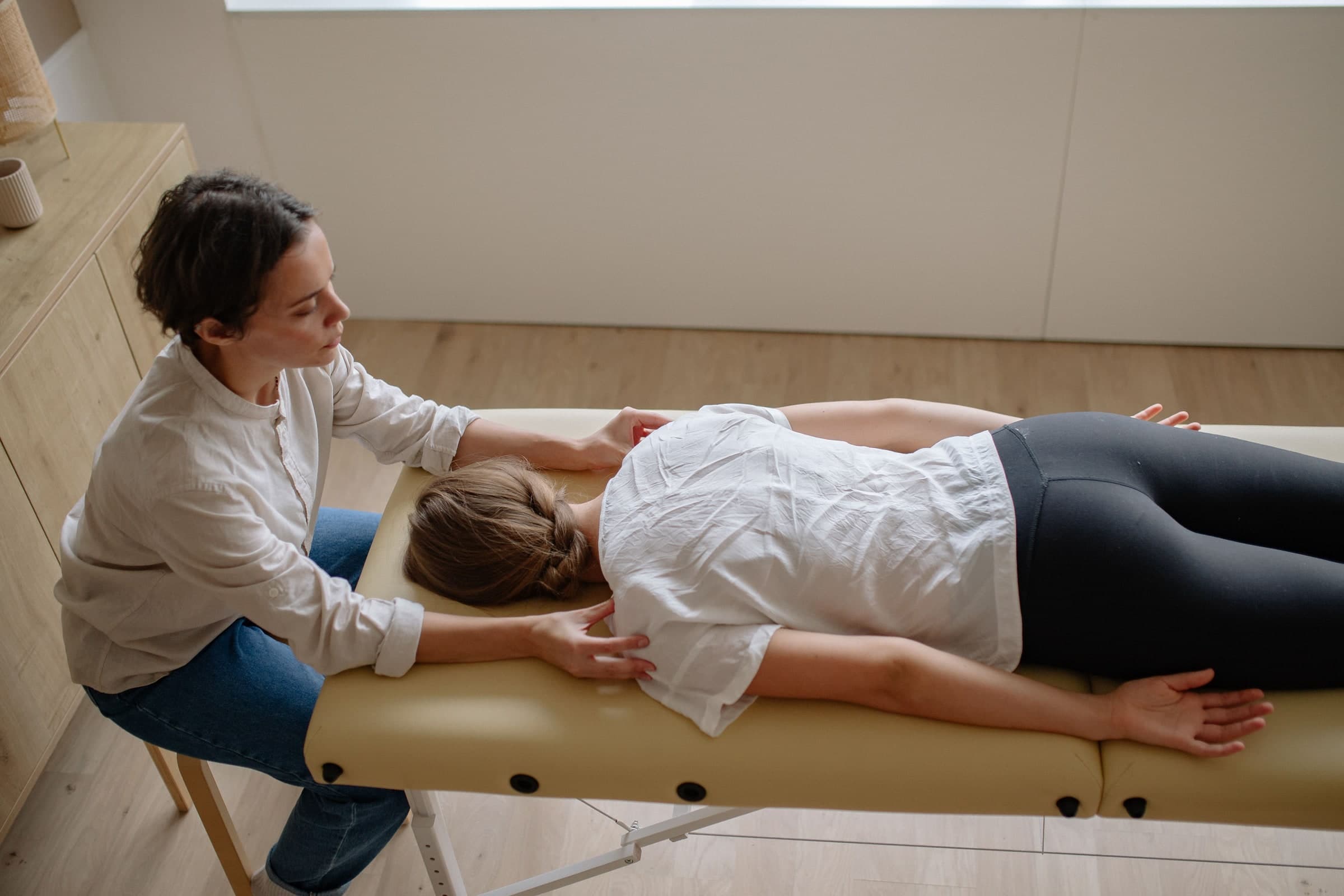
What It Often Feels Like
People describe it as a deep ache across the belt line, a sharp catch when bending or twisting, or stiffness that is worst first thing in the morning and eases once they get going.
Some find sitting the hardest part. Others cannot stand still for long. Which one you are tells us something about what is driving it.
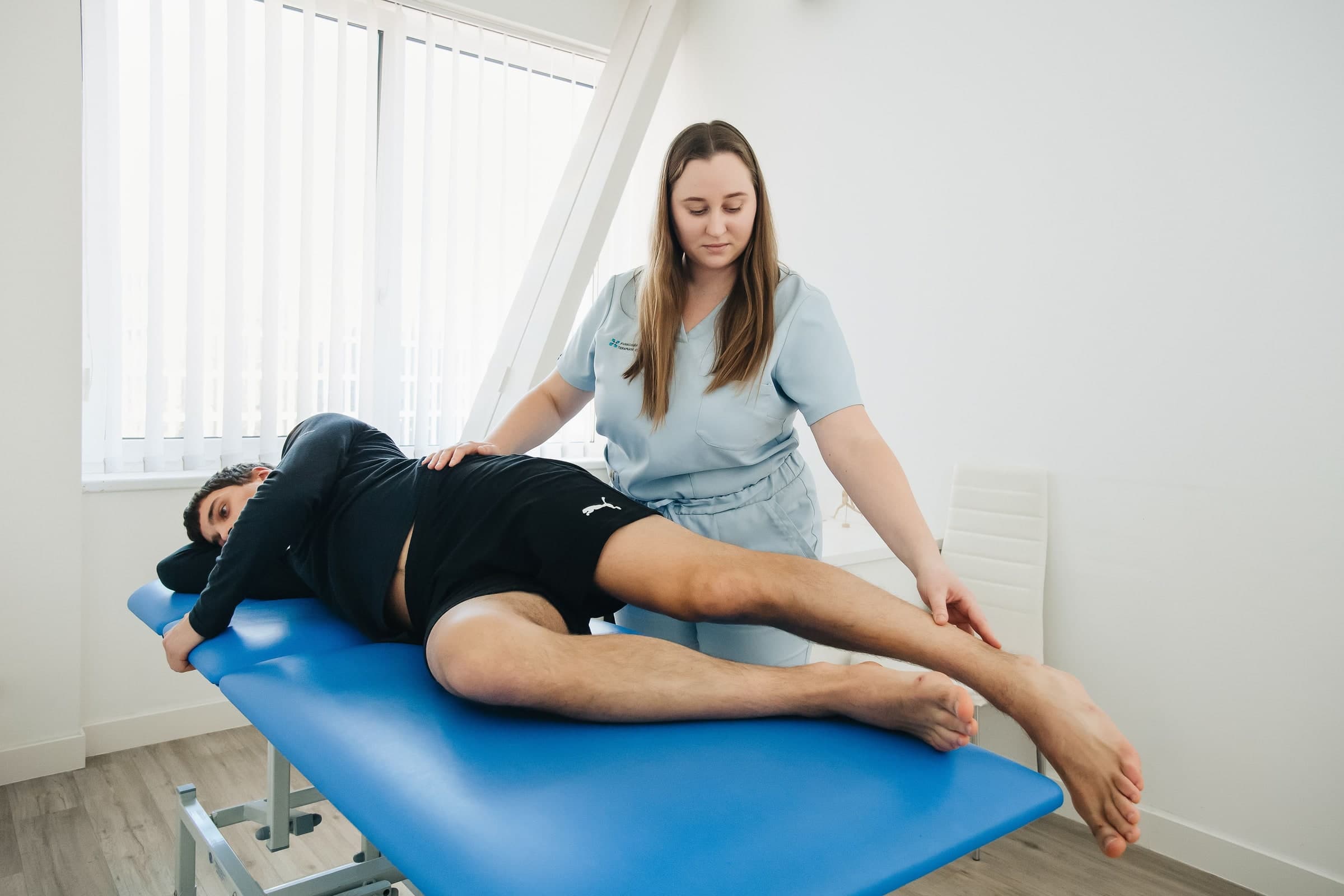
Our Approach to Low Back Care
We start with an assessment: how you bend, rotate and load the area, and what reproduces your symptoms.
- Hands-on treatment to settle the painful area
- Movement and strength work matched to what the assessment found
- Practical changes to how you sit, lift and train while you recover
You will leave the first visit knowing what we think is going on and what the plan is.

How We Assess Low Back Pain
The assessment is the part that decides everything else. We take a history first: when it started, what you were doing, what makes it worse, whether it refers into the leg, and whether anything has changed with bladder, bowel or strength, because that last group needs a different pathway.
Then we watch you move. Bending forward and back, rotating, loading one leg at a time. We test the joints segment by segment, check how the hips and mid back are contributing, and look at the muscles that should be sharing the load and are not.
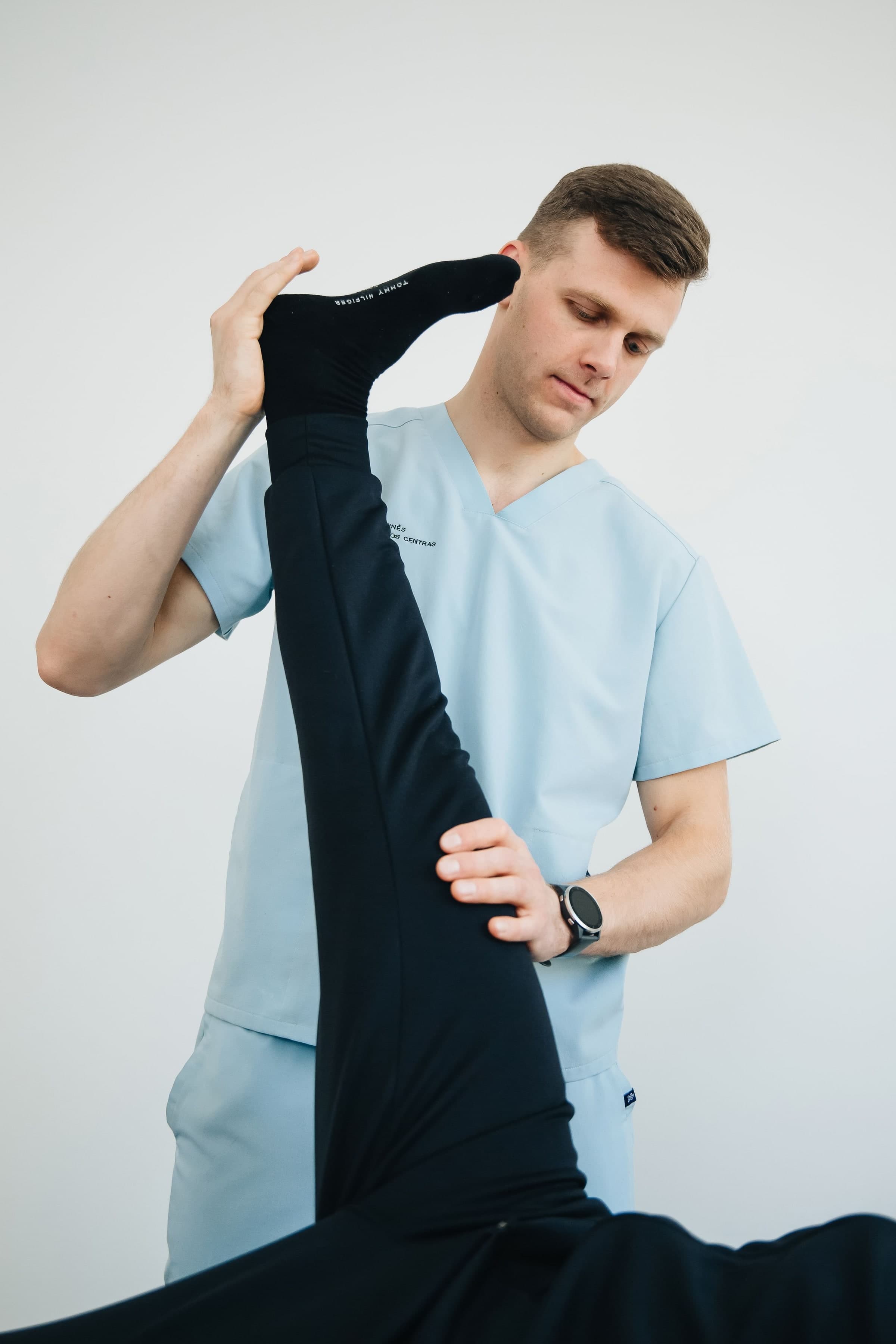
What Treatment Looks Like
Early on the priority is getting you comfortable enough to move and sleep. That usually means hands-on treatment to the restricted segments, soft tissue work where things have guarded up, and two or three positions or movements you can use at home when it flares.
As symptoms settle the balance shifts. Hands-on work reduces, loading increases, and we build the hips, trunk and back to handle what your day and your training actually ask of them. Most people are doing some form of strength work within the first few visits, scaled to what is tolerable.
Practitioners Who Help with Low Back Pain

Dr. Elise Tremblay
Chiropractor

Renata Silva
Registered Physiotherapist

Sam Whitfield
Registered Massage Therapist
Common Questions About Low Back Pain
How long until low back pain improves?
Will I get exercises to do at home?
Book Low Back Pain Care in Toronto
Most people with low back pain do not need imaging, and the assessment tells us whether you are one of the exceptions. Bring anything you already have from another provider and we will work from it.